
JC Building & Excavations • October 13, 2026

Excavation on tight sites: Access, services and spoil removal

Excavating on a restricted site takes more planning than simply choosing a smaller machine. Fence lines, existing buildings, buried services and limited stockpile space all affect how the work can be carried out.

Builders and property owners can save time by establishing these constraints before equipment is booked. A practical access plan also helps determine how excavated material will leave the site.

Measure the complete access route

Check the narrowest gate or opening, turning points and any changes in ground level. A machine that fits through the entrance still needs room to operate safely beyond it.

Identify walls, eaves, branches and finished surfaces that could limit movement. Photos and measurements can help when discussing excavation requirements with a contractor.

Locate underground and overhead services

Before excavation, seek relevant service information and arrange suitable on-site verification. Water, electricity, gas and communications services may be present even where no markers are visible.

Overhead lines introduce different clearance requirements for plant and vehicles. Site-specific safety controls should be established by the responsible parties before work starts.

Match equipment to the job and ground

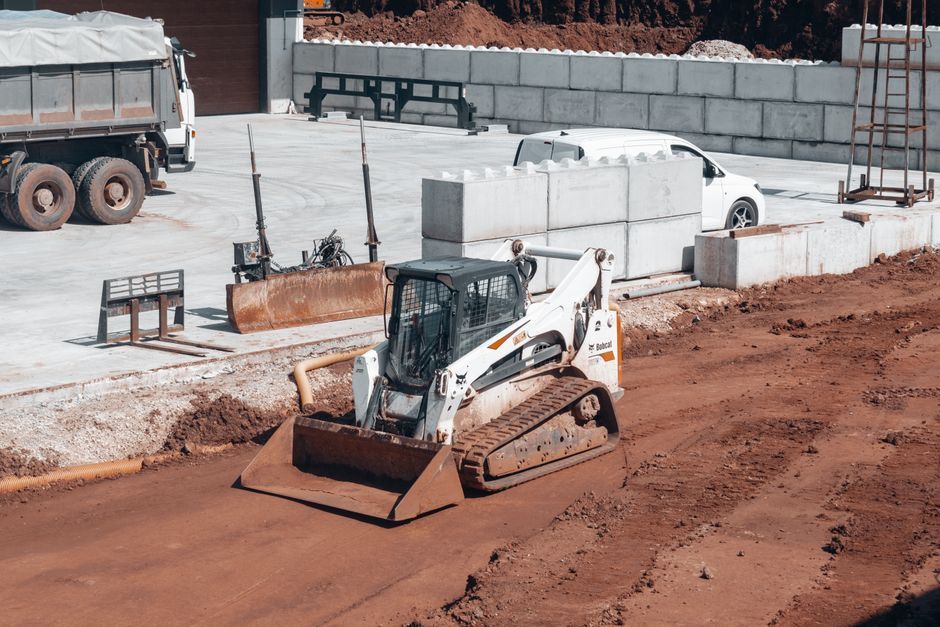
Machine choice depends on access dimensions, excavation depth, spoil volume and the ground conditions encountered. Our fleet includes a 4.5-tonne excavator and posi-track (skid steer), subject to suitability for the site.

A smaller working area can slow loading and movement, even if machinery fits through the gate. Review the proposed sequence as part of site preparation rather than considering access in isolation.

Plan spoil handling before digging

A site with no room for stockpiles needs an agreed removal arrangement from the outset. Consider whether material can be reused appropriately on site or must go to an authorised receiving facility.

Our truck and dog haulage may assist where vehicle access and load requirements suit the equipment. Confined sites may need a different or staged transport setup.

Protect surrounding structures and surfaces

Existing fences, paving, retaining walls and neighbouring structures should be identified during the site walk-through. The excavation plan should consider stability, vibration, access and any required professional assessment.

Water and unexpected soft ground can change working conditions quickly. Confirm how those issues will be managed before excavation progresses near sensitive areas.

Coordinate access with other trades

Arrange deliveries and work fronts so machinery is not blocked by materials or parked vehicles. Builders should also clarify site supervision, working hours and any neighbour access arrangements.

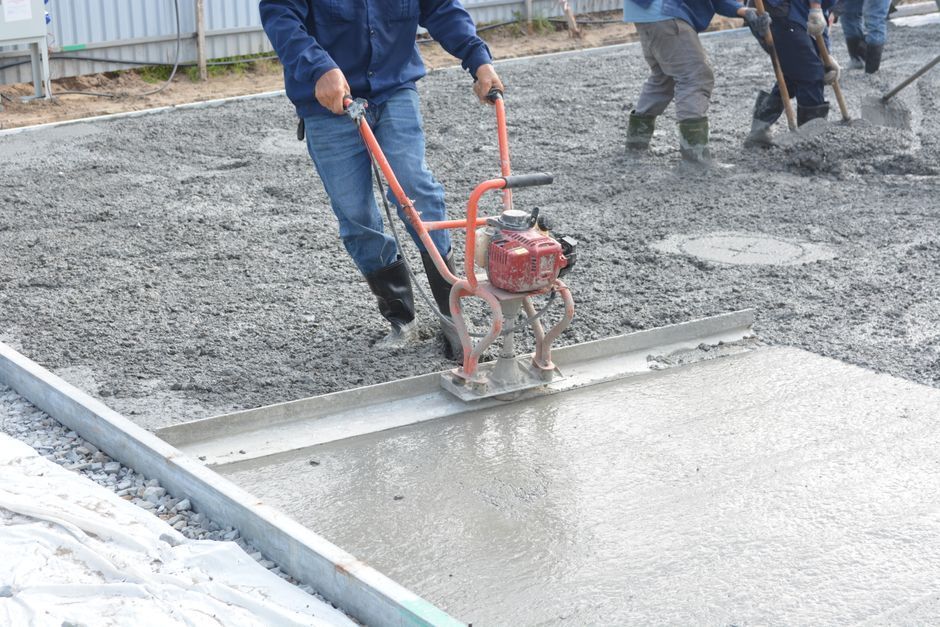
Clear sequencing helps trades understand when the excavation area will become available for follow-on work. This is particularly useful when excavation precedes concreting or retaining wall construction.

Conclusion

Successful tight-site excavation starts with reliable measurements, service checks and a realistic material removal plan. Explore our excavation services or send through your site access details to discuss the scope.

By JC Building & Excavations • October 13, 2026
Planning commercial concrete hardstands? Review vehicle loading, drainage, subgrade preparation and site access. Read our guide and discuss your project.
By JC Building & Excavations • October 13, 2026
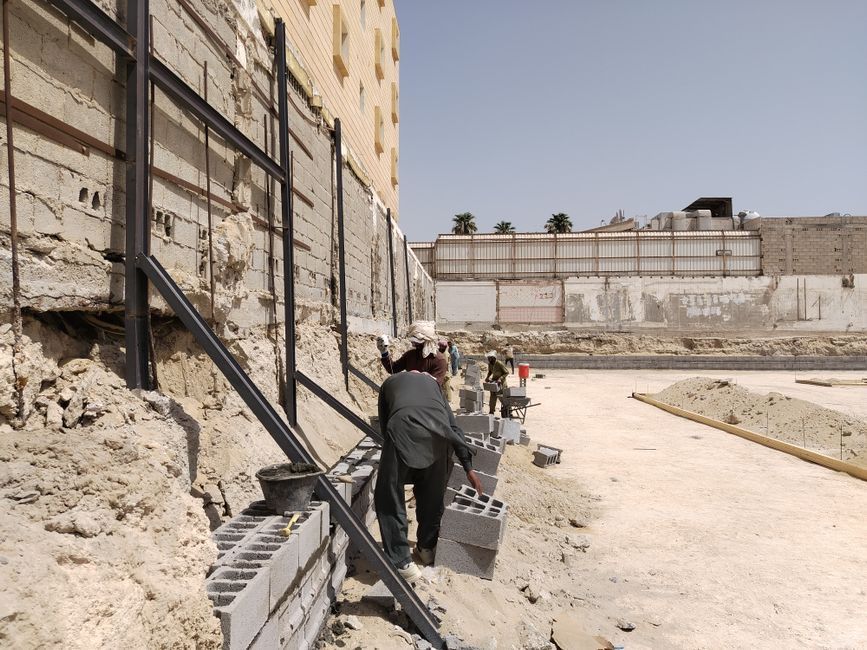
Plan retaining wall construction with guidance on soil conditions, drainage, foundations and site access. Read our practical guide and discuss your project.