Truck and dog haulage: Load, access and delivery planning

Truck and dog haulage can keep material moving between suppliers, construction sites and suitable disposal facilities. The delivery plan matters just as much as the truck, especially when worksites have restricted access or several trades working at once.
Builders and project owners can make transport easier to schedule by checking the material, vehicle access and unloading area in advance. The following points are useful whether material is arriving or excavated spoil is leaving.
Describe the load accurately
Confirm the material type, estimated quantity and loading location before requesting transport. Moisture, density and contamination can affect handling requirements and whether the load is suitable.
Legal mass limits must be followed, so a trailer's physical volume is not the same as an allowable payload. Discuss uncertain quantities with the haulage operator before booking truck and dog transport.
Check entry roads and site access
A construction entrance needs adequate width, turning room and surface condition for the intended vehicle. Look for gates, parked vehicles, steep grades and overhead obstructions along the full route.
A delivery location suitable for smaller trucks may not suit a truck and dog combination. Provide access photos and any site traffic instructions early.
Assess the unloading or tipping location
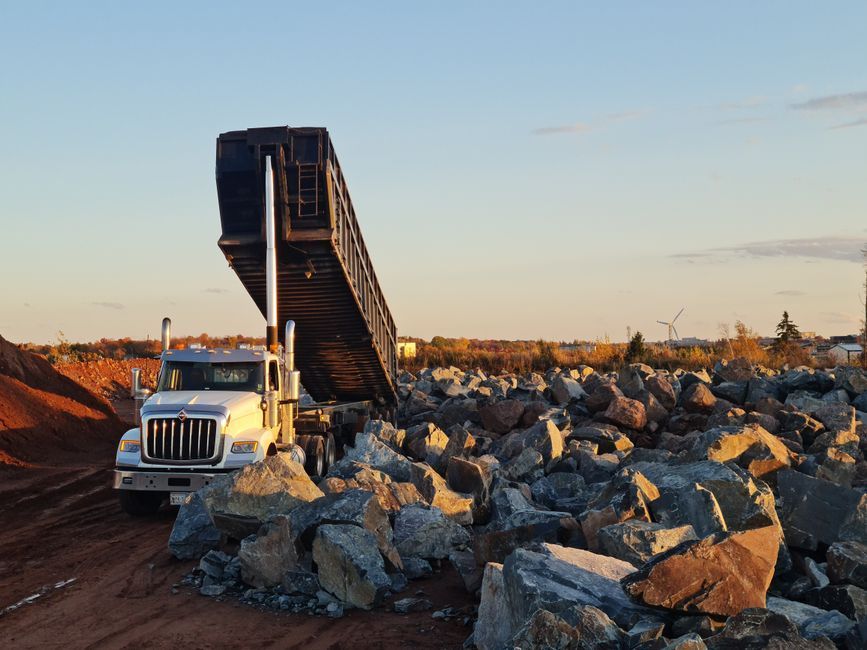
Ground conditions and overhead hazards are especially important when a vehicle is unloading. Identify a suitable level area, safe separation from workers and the location where the material needs to be placed.
If conditions are unsuitable, the delivery arrangement may need to change. Do not assume a truck can tip wherever the material is most convenient.
Coordinate with excavation and site preparation
Material removal often follows excavation work, while incoming aggregate or fill may be needed for site preparation. Aligning these activities helps reduce unnecessary double handling.
Establish whether loading equipment and personnel will be available at the agreed time. A clear sequence can prevent trucks arriving before material is ready.
Confirm receiving facilities and documentation
For spoil or waste loads, identify an appropriate lawful destination and any acceptance requirements. The nature of the material may affect where it can be taken and the records required.
If material is intended for reuse, check suitability against the project requirements. Responsibility for classification and approvals should be agreed before movement.
Provide delivery instructions and contacts
Share the pickup and delivery addresses, site contacts, expected time window and access restrictions. Include information about machinery, loading arrangements and any traffic management procedures.
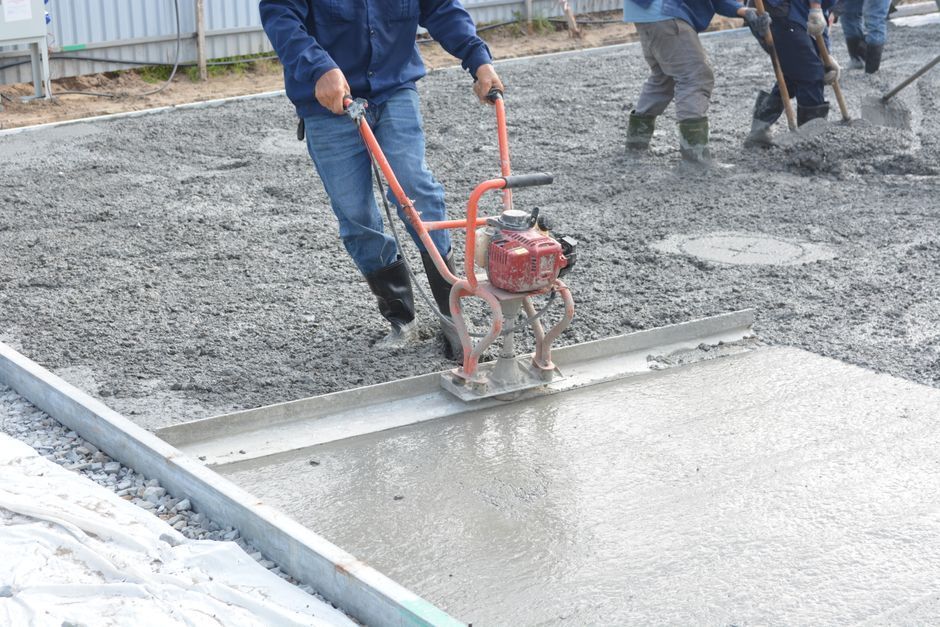
Reliable instructions help the haulage operator coordinate with the broader work programme. Transport may also need to align with concrete deliveries from our concreting projects.
Conclusion
A practical haulage plan starts with a clearly described load, a suitable vehicle route and an agreed unloading location. Explore our material transport service or contact our team with load and site details.